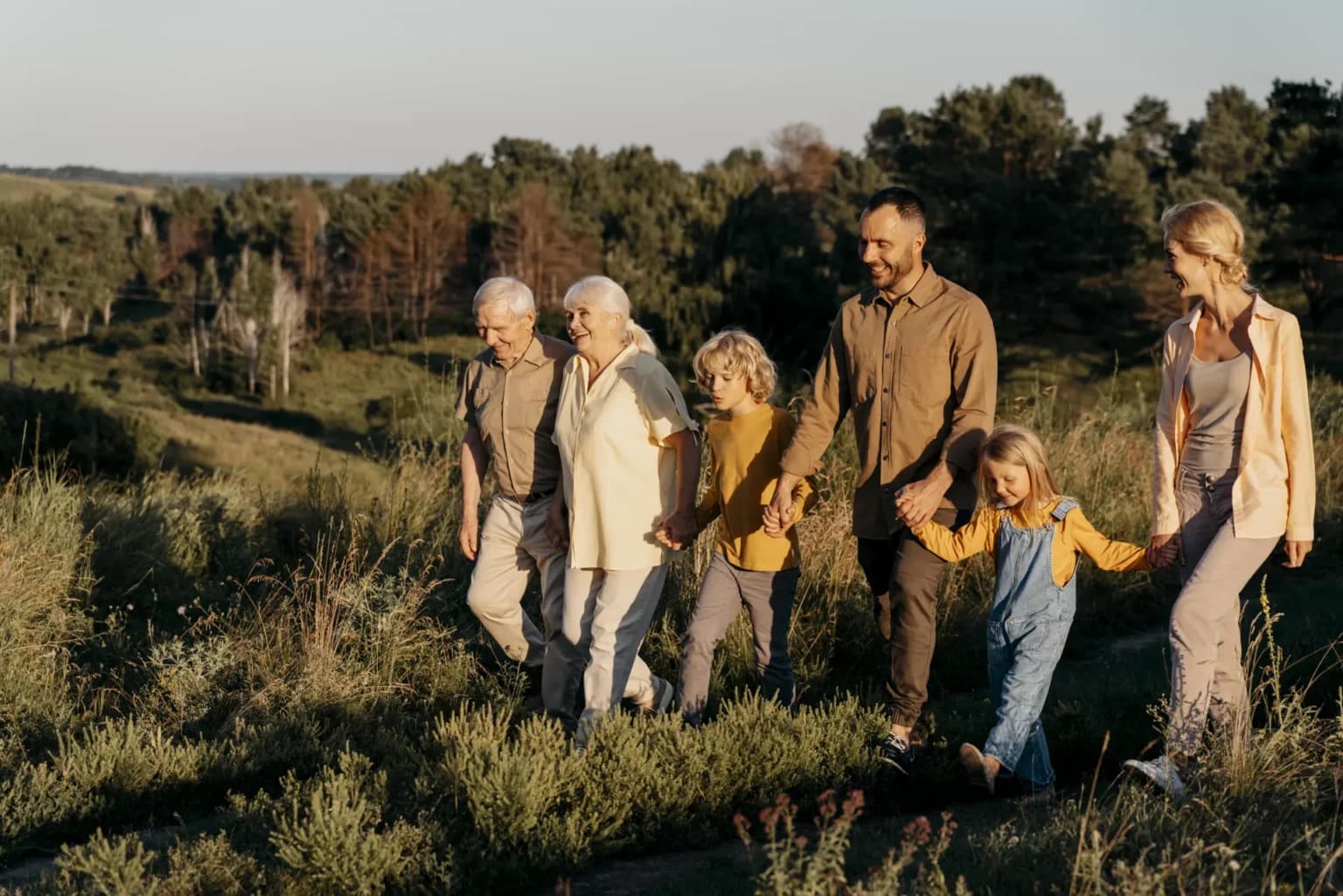
We specialize in home care for individuals living with Alzheimer’s disease, dementia, or other cognitive challenges. Our trained caregivers use structured routines, memory-engagement activities, and calm communication to reduce anxiety and promote stability for individuals with cognitive decline.
Dementia & Cognitive Decline Care in Vancouver — Specialist In-Home Memory Support
Caring for a loved one with dementia or Alzheimer’s disease can be both physically challenging and emotionally demanding. As memory, communication, and daily routines begin to change, many families find themselves searching for support they can trust.
At Merging Homecare, we provide specialized dementia care in Vancouver that helps seniors remain safe, comfortable, and supported in familiar surroundings. Our caregivers understand the unique challenges of cognitive decline and provide compassionate, person-centred care that promotes dignity, preserves routine, and supports quality of life at every stage of seniors aging at home.
Understanding Dementia & Cognitive Decline
Dementia is a broad term used to describe conditions that affect memory, thinking, communication, and daily functioning. Alzheimer’s disease is the most common form, but other types include vascular dementia, Lewy body dementia, frontotemporal dementia, and mild cognitive impairment (MCI).
While every person’s experience is different, cognitive decline often creates new challenges for both seniors and their families. Understanding these changes is the first step toward providing the right support, whether that means establishing structured daily routines or helping families navigating the aging journey to maintain the highest possible quality of life.
Our Dementia Care Services in Vancouver
- Structured Daily Routines — Familiar routines can help reduce confusion and anxiety. Consistent support helps seniors maintain daily habits and activities in a calm, predictable environment.
- Memory Engagement Activities — Focused activities can help seniors stay engaged and connected. Our caregivers encourage participation in memory games, music, photo albums, gentle puzzles, familiar crafts, and sensory activities tailored to individual interests , often blending seamlessly with our companionship services.
- Safe Home Environment Support — Creating a safe home environment is an important part of dementia care. Support may include monitoring for hazards, helping prevent wandering, promoting medication safety, and fostering a sense of comfort, familiarity, and security.
- Dementia-Appropriate Communication — Effective communication can reduce frustration and help seniors feel understood. Our caregivers use dementia-informed techniques such as speaking clearly, using simple language, validating emotions, and responding to distress with patience and reassurance rather than correction.
- Personal Care with Sensitivity — Assisting with bathing, dressing, and other personal care tasks for someone living with dementia requires patience, compassion, and specialized skills. We provide compassionate personal care focused on maintaining dignity and respect, and an understanding of each client’s unique needs.
- Family Support & Education — We help families understand what to expect at different stages of cognitive decline and provide guidance on effective communication, daily routines, and ongoing care decisions through our family care coordination.
Stages of Cognitive Decline We Support
Early Stage: Mild forgetfulness, occasional confusion, and some challenges with daily tasks. Support may include companionship, gentle reminders, routine-building, and cognitively engaging activities.
Middle Stage: More significant memory loss, increased confusion, behavioural changes, and a greater risk of wandering. Care focuses on structured routines, safety support, personal care assistance, and meaningful daily engagement.
Late Stage: Significant cognitive and physical decline requiring more comprehensive support. Care is centred on dignity, comfort, personal care, and maintaining the highest possible quality of life, often utilizing our 24/7 care services.
Why Home Is the Best Place for Dementia Care
Familiar environments are particularly important for people with dementia. Being in their own home, surrounded by familiar furniture, photos, and smells, provides a sense of security that a care facility cannot replicate. Research shows people with dementia experience less anxiety and disorientation when in familiar surroundings with consistent caregivers they know and trust.
Frequently Asked Questions
For more answers, visit our dedicated FAQ page or read our latest insights on the Merging Homecare Blog.
Q: How do I know when to start dementia home care in Vancouver?
A: Early intervention is always better. If your loved one is forgetting important things, struggling with daily tasks, becoming confused, wandering, or showing behavioural changes, it is time to consider professional support. We offer a free in-home assessment. Please contact us today to help determine the right level of care..
Q: Do your caregivers have specific dementia training?
A: All caregivers working with cognitive decline clients receive specialist training in dementia care approaches, communication techniques, behavioural support, and safety protocols. Learn more about our rigorous standards on our About Us page. We do not assign untrained caregivers to clients with dementia.
Q: Can dementia home care slow cognitive decline?
A: While home care cannot reverse dementia, consistent cognitive stimulation, social engagement, physical activity, proper nutrition, and reduced stress can help support cognitive function and overall well-being. Structured routines and familiar surroundings may also help reduce confusion and anxiety, contributing to a better quality of life for many individuals living with dementia.