

Most families don’t simply begin researching palliative care and hospice options; something brings them there. And it’s often something unexpected. A diagnosis. A change in energy. A hospital visit that shifts the conversation. Suddenly, there are decisions to make, and the words sound similar enough that it is easy to mix them up. Palliative care. Hospice care. Home support. End-of-life planning. They all revolve around comfort, but they are not the same thing.
What is Palliative Care at Home?
Palliative care at home focuses on comfort while a person is still living with a serious illness and may still be receiving treatment.
A loved one still attending appointments, still trying medications, and still hoping for stability. But the day-to-day experience is getting harder. Energy drops faster. Pain comes and goes. Palliative care steps in to support that daily reality.
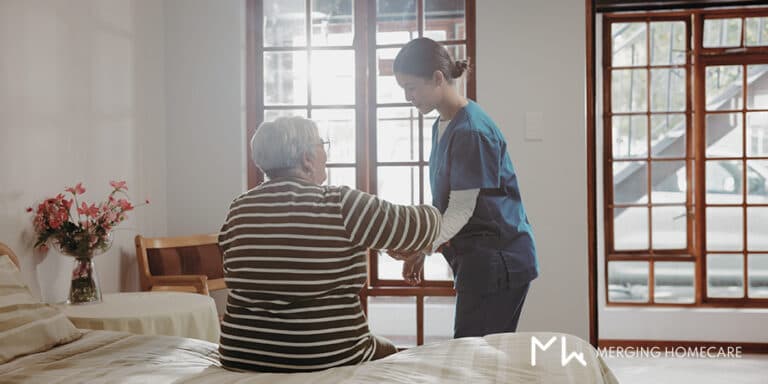
Caregivers provide personal care, medication reminders, meal support, and mobility assistance. More importantly, they help create a sense of stability in a time that often feels unpredictable. Palliative care is not only for the final stage. It can begin early, sometimes right after diagnosis, and it works alongside medical treatment.
What is Hospice Care in Vancouver?
Hospice care is different because it usually begins when treatment is no longer working or is no longer the focus. At this stage, the goal has shifted. Instead of trying to manage or slow the illness, the focus becomes comfort, dignity, and peace.
The experience at home can feel quieter. There may be more rest. More time spent in bed. Conversations may slow down. Families often notice that priorities change, sometimes very suddenly. A comfortable room, soft lighting, familiar voices, and calm presence start to matter more than anything else.
Hospice care supports that environment. Care is centred on easing discomfort, managing symptoms, and helping the person feel as peaceful as possible. Hospice care is focused on making each moment as comfortable as possible.
The Key Difference: Timing and Purpose
The simplest way to separate the two is to look at timing and intention. Palliative care can happen at any stage of a serious illness. It runs alongside treatment and focuses on improving daily life. Hospice care usually begins when treatment is no longer the main path forward. The focus becomes comfort in the final stage of life.
Both can happen at home and involve support, dignity, and compassion. The difference is not about where care happens, but why it is happening at that moment. Palliative care helps someone live as fully and comfortably as possible during illness. Hospice care focuses on comfort as the illness nears its final stage.
What Care at Home Actually Looks Like
In real life, home care changes the feel of the entire house. A living room may slowly turn into a resting space with medical equipment nearby. Caregivers play a steady role in this environment. They assist with hygiene, repositioning for comfort, meals, and emotional support. But one of the most overlooked parts of care is presence. Just being there. Sitting quietly when needed. Helping reduce the feeling of isolation. Having trained caregivers involved can reduce pressure and allow families to focus more on meaningful time together.
In the end, palliative care and hospice care are not competing options. They are different stages of the same idea: helping someone live with dignity, comfort, and respect.
At Merging Homecare, we support families across Vancouver through both stages, helping make each transition feel a little less confusing and a lot more human.
Get our latest updates directly on Google!